
Volume 18 • Number 1 EDITOR’S NOTE View this issue’s note from the Editor CONTRIBUTORS View this issue’s contributor bios CORRESPONDENCE Leonard Weiss • Page van der Linden • Lani Miyoshi Sanders, Sharon M. DeLand & Arian L. Pregenzer SPECIAL ISSUE — Arms, Disarmament, and Influence: International Reactions to the 2010 Nuclear Posture Review Introduction: […]
Volume 18 • Number 2 EDITOR’S NOTE View this issue’s note from the Editor CONTRIBUTORS View this issue’s contributor bios CORRESPONDENCE Christopher Paine and Thomas Cochran • Mario E. Carranza ARTICLES Opting Out of the Iron Triangle: The US Chemical Industry and US Chemical Weapons Policy Karen Winzoski Biodefense and Transparency: The Dual-Use Dilemma Kirk […]
Volume 18 • Number 3 EDITOR’S NOTE View this issue’s note from the Editor CONTRIBUTORS View this issue’s contributor bios CORRESPONDENCE James Tetlow • William C. Potter SPECIAL ISSUE: GLOBAL PERSPECTIVES ON RE-ENVISIONING THE BIOLOGICAL WEAPONS CONVENTION Ensuring the Future of the Biological Weapons Convention Jean Pascal Zanders and Amy E. Smithson A (F)utile Intersessional […]
Volume 19 • Number 1 EDITOR’S NOTE View this issue’s note from the Editor CONTRIBUTORS View this issue’s contributor bios CORRESPONDENCE Gigi Kwik Gronvall • Kelsey Gregg • Kirk C. Bansak ARTICLES Tactical Nuclear Weapons in Italy: Striking a Balance between Disarmament Aspirations and Alliance Obligations Paolo Foradori Why Iran Wants the Bomb and What […]
Volume 19 • Number 2 EDITOR’S NOTE View this issue’s note from the Editor CONTRIBUTORS View this issue’s contributor bios ARTICLES Kicking the Hornets’ Nest: Iran’s Nuclear Ambivalence and the West’s Counterproductive Nonproliferation Policies Patrick Disney Of Hawks and Doves: Mapping Policies Toward Iran and North Korea Michal Onderco and Wolfgang Wagner Learning to […]
Volume 19 • Number 3 EDITOR’S NOTE View this issue’s note from the Editor CONTRIBUTORS View this issue’s contributor bios CORRESPONDENCE Sarah Kreps • Fred Wehling • Christopher Ford • John Krige SPECIAL SECTION: CREATING A MIDDLE EAST WMD-FREE ZONE Middle East Nonproliferation: Toward a Zone of Inclusion Douglas B. Shaw The ACRS Experience and Its Relevance […]
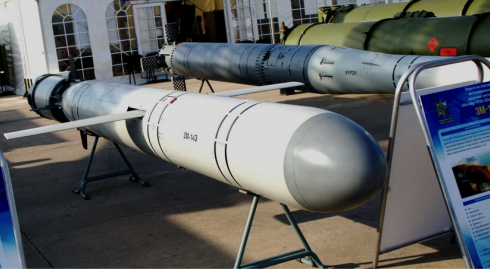
A new round of Russian cruise missile tests are stirring up yet another source of contention between the United States and Russia.
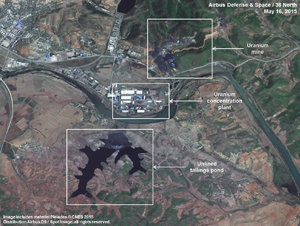
Closer scrutiny of North Korea’s uranium resources may help arrive at more accurate estimates of their nuclear weapon stockpile and capability.
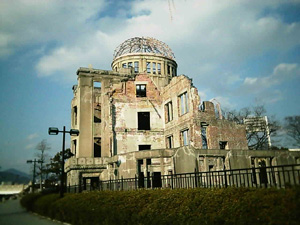
The 70th anniversary of the Hiroshima bombing is a big moment to take stock of where we are, how we’ve gotten here, and where we’re headed.
Video lecture by Brigadier Gurmeet Kanwal (Retd), Adjunct Fellow, Centre for Strategic and International Studies (CSIS)


