
September 15, 2026
Jean du Preez*
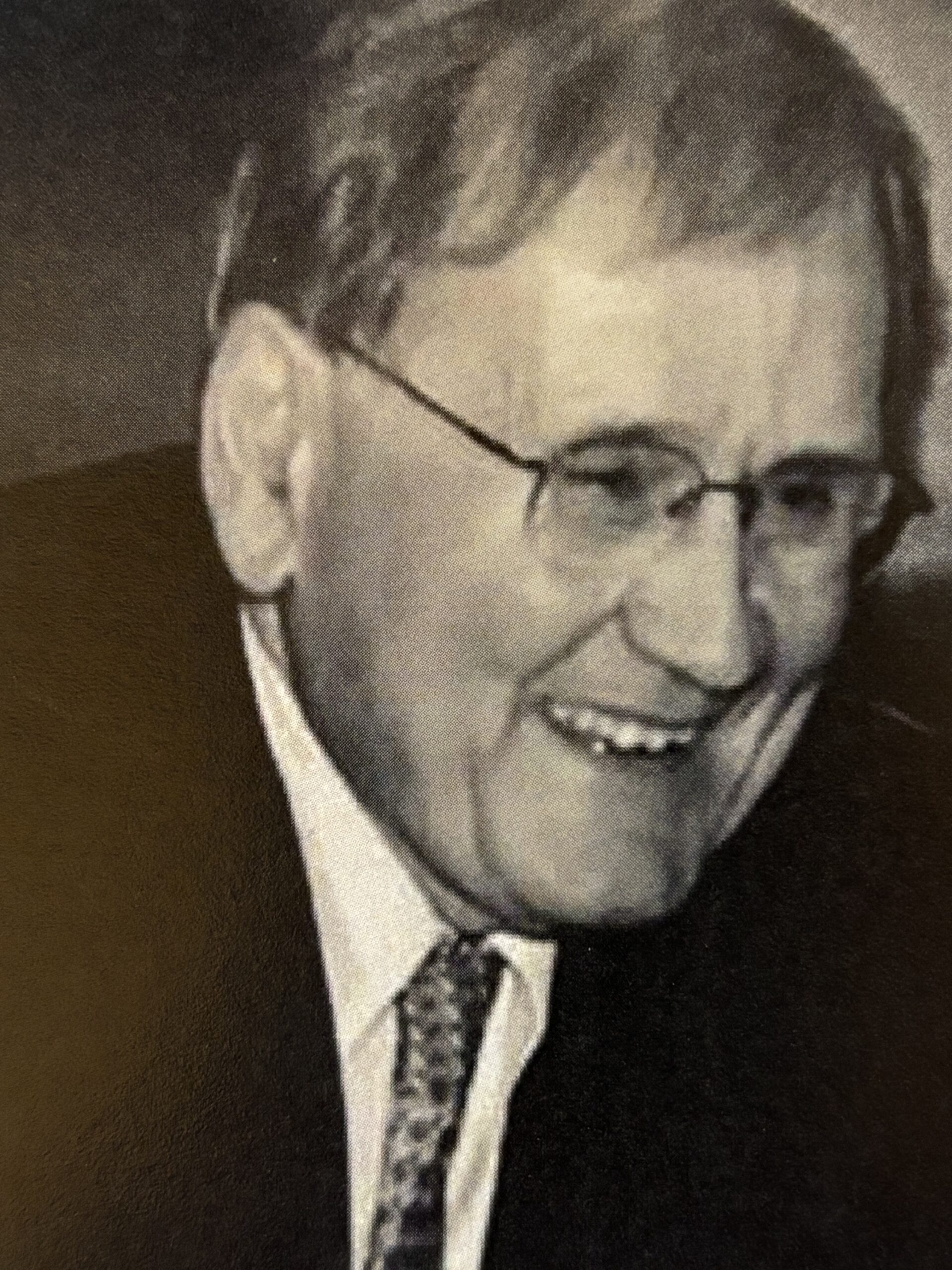
Ambassador Thomas Graham passed away on September 3, 2026. He will rightly be remembered as a central figure in nuclear nonproliferation diplomacy, having helped negotiate every major bilateral and multilateral arms control and nonproliferation agreement from 1970 to 1997. From a South African perspective, however, his contribution to the 1995 NPT Review and Extension Conference deserves particular recognition—not simply because he successfully led the U.S. campaign for the Treaty’s indefinite extension, but because he understood that this could not be achieved through pressure or numbers alone. It required diplomacy, compromise, and, above all, an appreciation of the concerns of countries that had only recently joined the Treaty.
I first met Tom at a meeting in Pretoria in August 1994, when he led a U.S. delegation to discuss the importance of securing the future of the NPT and South Africa’s position on its indefinite extension. Tom was already well known to my friend and colleague Peter Goosen through the Programme for Promoting Nuclear Non-Proliferation (PPNN), which brought together diplomats and experts from countries with very different perspectives, fostering friendships and trust that could transcend formal diplomatic roles. Peter was the driving force behind South Africa’s preparations for the 1995 Conference, and his relationship with Tom—developed through the PPNN process—was a powerful example of how personal connections could help bridge national and political differences.
For South Africa, the 1995 Conference was an extraordinary moment. We had only recently emerged from apartheid, dismantled our nuclear weapons program, and joined the NPT as a non-nuclear-weapon state. We supported the Treaty but believed that indefinite extension had to be accompanied by meaningful commitments to nuclear disarmament and a stronger review process. Tom understood that South Africa could not simply be treated as another country whose support had to be secured. He recognized our history and perspective and engaged with us as serious partners. He was a formidable negotiator, but also an excellent listener—persistent without being overbearing, confident without being dismissive, and genuinely interested in understanding those across the table.
The 1995 outcome was not simply an American victory or a South African concession. It was a carefully constructed package. South Africa helped bridge the divide between states seeking indefinite extension and those demanding greater accountability from the nuclear-weapon states. The resulting decisions on Principles and Objectives for Nuclear Non-Proliferation and Disarmament and Strengthening the Review Process became essential elements of the package that enabled the Treaty to be extended indefinitely. Tom understood that the success of the U.S. effort depended on addressing these legitimate concerns. The South African and U.S. delegations therefore worked intensively with one another and with other countries, including members of the Non-Aligned Movement, to develop language capable of commanding broader support.
What I remember most, however, is not simply the formal outcome but the way Tom conducted himself during those difficult negotiations. He understood that diplomacy is ultimately about people: building relationships, creating trust, and finding ways to reconcile differences without requiring either side to abandon its principles. He could disagree without dismissing, negotiate firmly without becoming overbearing, and pursue his government’s objectives while maintaining genuine respect for those on the other side of the table.
Tom’s passing is particularly poignant because Peter Goosen died last year, and Jayantha Dhanapala, who presided over the 1995 Conference, died in 2023. With their passing, we have lost three remarkable diplomats who, in different ways, helped shape one of the most important moments in NPT history. They came from different countries and represented different perspectives, but shared qualities that transcended their official positions: integrity, intellectual curiosity, warmth, respect for others, and a deep belief in diplomacy. At a time of growing polarization and renewed nuclear dangers, those qualities are needed more than ever.
I will remember Tom as a formidable negotiator, a generous colleague, and a gentleman who brought humanity to the demanding world of nuclear diplomacy. I am deeply grateful to have known him and to have shared that remarkable chapter in NPT history with Tom, Peter, Jayantha, and so many others. Their legacy is more than the agreements they helped achieve. It is the example they set of how diplomacy can work when national interests are pursued with determination, but also with patience, respect, trust, and humanity.
May Tom, Peter, Jayantha, and all those who devoted their lives to the cause of nuclear peace rest in peace. At a time when the world needs diplomacy more than ever, their example calls on all of us to keep talking, keep listening, and keep searching for common ground.
Jean du Preez is the CNS Program Director for Education and Training. He was a South African diplomat for almost 20 years and was actively involved in preparing for and participating in the 1995 Review and Extension Conference, as well as the 2000 Review Conference and associated Preparatory Committee meetings.


