
August 17, 2026
The James Martin Center for Nonproliferation Studies (CNS) and Lawrence Livermore National Laboratory (LLNL), with support from the U.S. Department of Energy, co-hosted the 2026 International Nuclear Safeguards Intensive Summer Course from June 1–6, 2026, at the Middlebury Institute of International Studies (MIIS) in Monterey, California. The course has been offered at MIIS for almost two decades, beginning in 2005.
The intensive week-long program provided participants with a strong foundation in international nuclear safeguards and their role in the global nuclear nonproliferation regime. It also provided an important opportunity to build professional networks among safeguards experts, national laboratory personnel, government officials, researchers, and graduate students.
Participants and Instructors
Thirty-six professionals and graduate students participated in the 2026 course, supported by more than 10 instructors. Approximately half of the participants were from U.S. national laboratories; others included graduate students, researchers, officials from foreign nuclear regulatory authorities, and private-sector professionals. Participants represented the United States and 13 other countries and economies, including Argentina, Bangladesh, China, Colombia, Denmark, Germany, Greece, India, Japan, Mexico, Russia, South Korea, Taiwan, and the United Kingdom.
Instructors included current and former IAEA personnel, including a former safeguards inspector, LLNL experts, and CNS specialists, providing participants with diverse technical, policy, analytical, and practical perspectives.
Course Content
Before arriving in Monterey, participants completed the IAEA’s e-learning Basic Training Course on IAEA Safeguards and reviewed background materials on the NPT, nuclear fuel cycle, and international nonproliferation regime. This preparation established a common baseline and allowed the course to emphasize substantive and applied aspects of safeguards.
Topics included the evolution of international safeguards, the IAEA’s role, state-level implementation, verification measures, open-source information analysis, and the effectiveness and limitations of the current safeguards system. Case studies examined safeguards challenges in Libya, the DPRK, South Africa, Syria, and Iran, as well as emerging issues and future developments.
Developing the Next Generation
The course also addressed the need to strengthen the safeguards workforce and prepare the next generation of professionals. By bringing together graduate students and early-career professionals with experienced practitioners, the program provided both specialized knowledge and opportunities to develop professional connections across national laboratories, international organizations, regulatory authorities, and research institutions.
Outcomes
Feedback from participants and instructors indicated that the course successfully met its objectives. Participants particularly valued the combination of foundational instruction, technical content, practical case studies, and direct engagement with experienced safeguards experts.
The 2026 course continued a long-standing CNS-LLNL partnership to strengthen the knowledge, skills, and professional networks needed to sustain effective international nuclear safeguards and support the next generation of safeguards professionals.
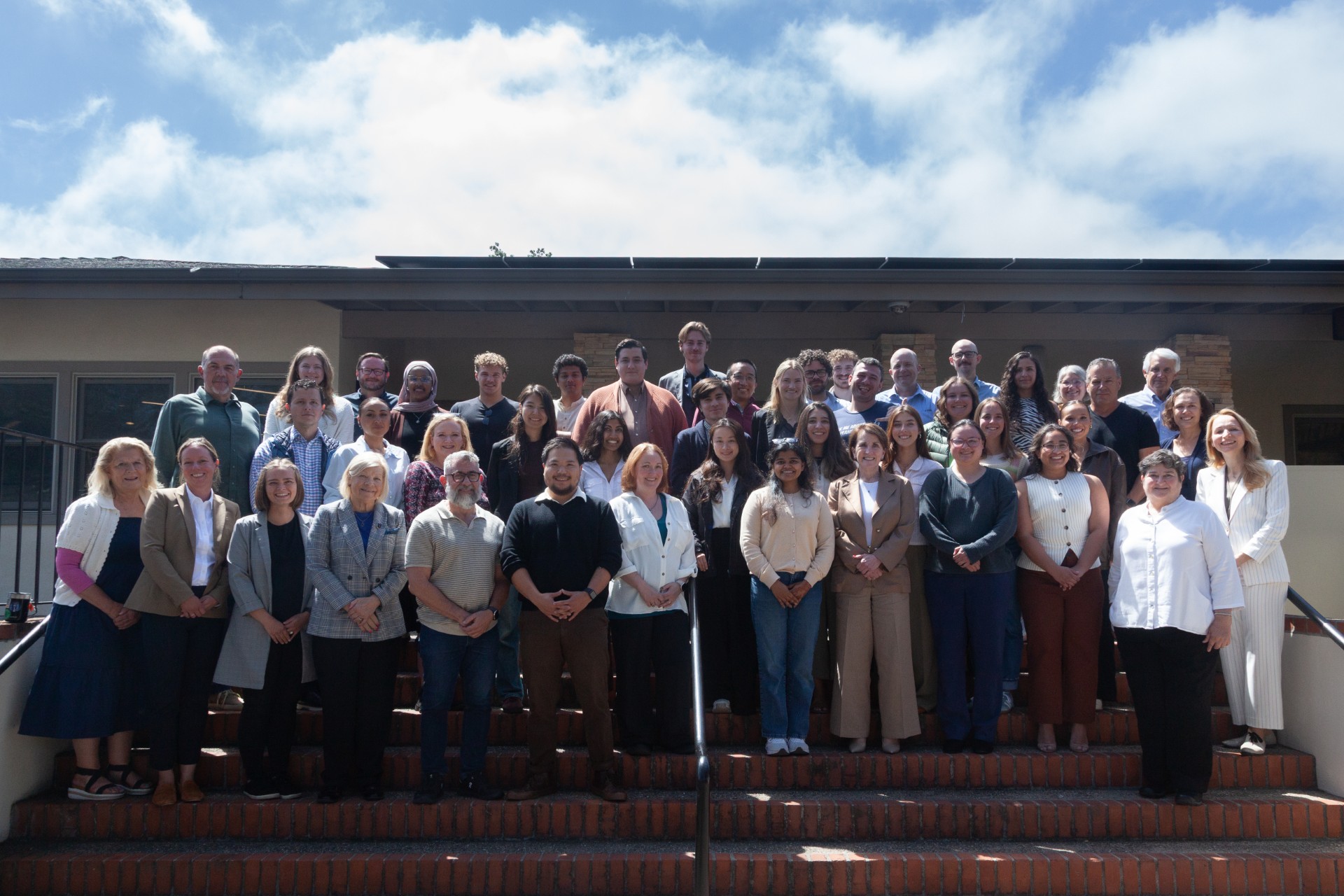
Participants
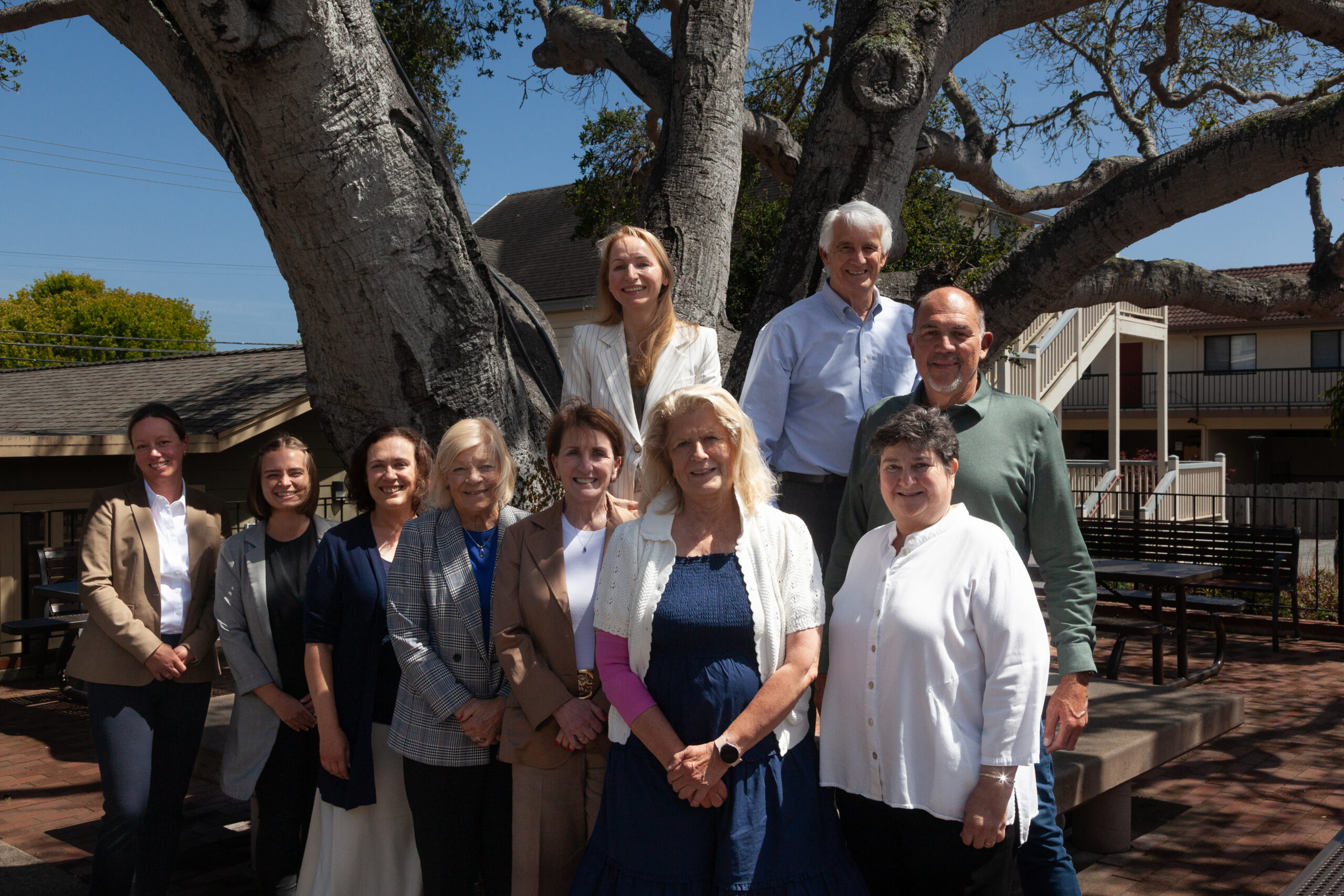
Instructors


